


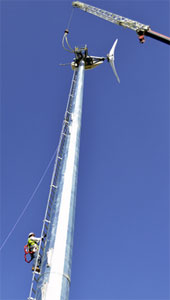
Verbal, observational and practical. These are the three levels of training any new employee should go through in order to safely operate equipment in any of the industries we serve. You may have an established worker training program, but if it doesn’t include elements of each level mentioned above, your workers may be unprepared for the realities of working in the field.
Here’s why you should consider using our expert Worker Training Guide as part of your onboarding materials.
Great Return on Investment
An investment in worker education returns about $1.38 in value to the employer. We want to get you thinking about your worker training program with our new downloadable guide. In this five-page guide, we provide current statistics on worker training, tips on maximizing the effectiveness of your program and food for thought about young workers.
Safety is Our Priority
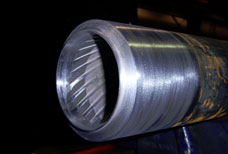 A well-trained worker is a safe worker. We have been providing job site training and job site supervision for more than a decade. In fact, we have more than 130 man-years of experience in the pipe, tube and bolting tool industries. So if our new guide prompts you to reevaluate your worker training program, get in touch with us to see how we can supplement your worker education.
Highlighting Our Expertise
At Ultra Torq, expertise isn’t just a buzzword – it’s our philosophy. When it comes to training, we firmly believe that knowledge is power. Our worker training program is designed by industry veterans with an in-depth understanding of the unique challenges and demands of the pipe, tube, and bolting tool industries. We don’t just teach your workers how to operate the equipment – we impart practical skills, promote safety consciousness, and nurture problem-solving capabilities that ensure they excel in their roles.
Our expertise lies in our proven track record of more than a decade in providing efficient and effective job site training and supervision. We’ve witnessed firsthand how a well-structured, all-encompassing training program can dramatically reduce the number of job site accidents, increase productivity, and boost overall workforce morale.
Ready to Revolutionize Your Worker Training Program?
If our guide has sparked some thought about your current worker training program, why not take the next step? Reach out to us at Ultra Torq to discuss how we can bring our expertise to bear on your organization, ensuring your training program isn’t just a mandatory requirement, but a continuous journey towards mastery, safety, and peak performance.
Connect with Ultra Torq Experts today!